
When you arrive at an airport on a private jet, the experience is quite different from flying on a commercial airline. You do not have to walk through crowded terminals, wait in long check-in lines, or spend hours at the airport before your flight. Instead, you can arrive at a private facility where everything is arranged to make your journey easier. This facility is known as an FBO.
But what is an FBO, and what exactly does it do?
An FBO plays an important role in private aviation. It provides services for private aircraft, pilots, passengers, and aircraft operators. From fueling and parking aircraft to arranging ground transportation and offering comfortable passenger lounges, FBOs help keep private aviation running smoothly.
In this guide, we will explain what an FBO is, how it works, the services it provides, and what you can expect when visiting one.
Key Takeaways
- FBO means Fixed Base Operator, a facility at an airport that provides services for private and general aviation aircraft.
- FBOs support both passengers and aircraft with services such as fueling, parking, hangar storage, ground transportation, and passenger lounges.
- FBOs are different from commercial airport terminals, as they primarily serve private jets, charter aircraft, business aviation, and general aviation.
- FBO costs vary depending on aircraft type, fuel usage, parking, hangar storage, and additional services.
- FBOs make private aviation more convenient by bringing essential aircraft, pilot, and passenger services together in one location.
What Is an FBO?
An FBO, or Fixed Base Operator, is a business that provides aviation services at an airport. These services typically include aircraft fueling, parking, hangar storage, ground handling, and facilities for pilots and passengers.
FBOs are commonly used by private jets, charter aircraft, corporate aircraft, and general aviation pilots. They are often located in a separate area of an airport, away from the main commercial passenger terminal.
For private jet travelers, an FBO usually serves as the arrival and departure point. Instead of entering the main airport terminal, passengers can use the FBO’s private facilities to board or leave their aircraft.
However, FBOs are not exclusively for luxury private jets. They also serve smaller aircraft, flight schools, business aviation operators, and other general aviation customers.
How Does an FBO Work?
An FBO acts as a service provider for aircraft and the people traveling on them. When a private aircraft arrives at an airport, the pilot or aircraft operator usually coordinates with an FBO in advance.
The FBO prepares for the aircraft’s arrival and arranges any requested services. Ground staff may guide the aircraft to its parking position, provide fuel, handle luggage, and help passengers reach their transportation.
For departing flights, the FBO can coordinate fueling, aircraft preparation, catering deliveries, and other ground services.
Passengers generally arrive at the FBO shortly before their scheduled departure. Depending on the airport and flight requirements, they may complete identification and security procedures before boarding.
The process is usually more direct than traveling through a commercial airport, although exact procedures depend on the airport, aircraft, and destination.
What Services Does an FBO Provide?
An FBO offers several services to support aircraft operations and make travel more convenient. The exact services depend on the airport and the size of the facility.
1. Aircraft Fueling
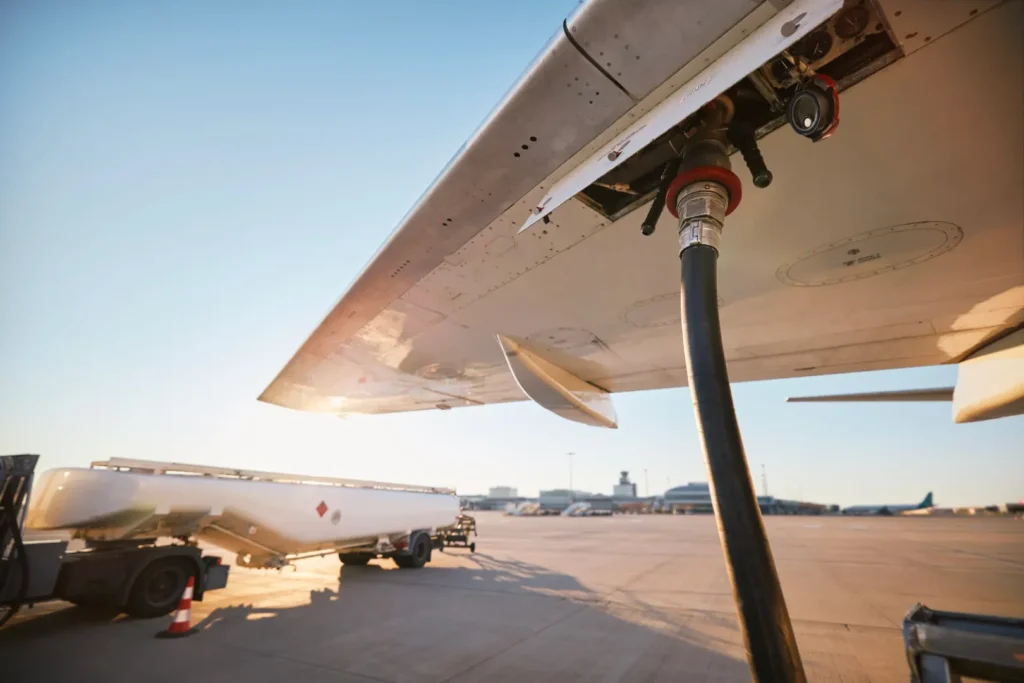
Fueling is one of the main services offered by an FBO. Aircraft require different types of fuel depending on their engines. Private jets generally use jet fuel, while many smaller piston-engine aircraft use aviation gasoline.
FBO staff handle fuel delivery and follow procedures to ensure that aircraft receive the correct type and quantity of fuel.
2. Aircraft Parking and Hangar Storage
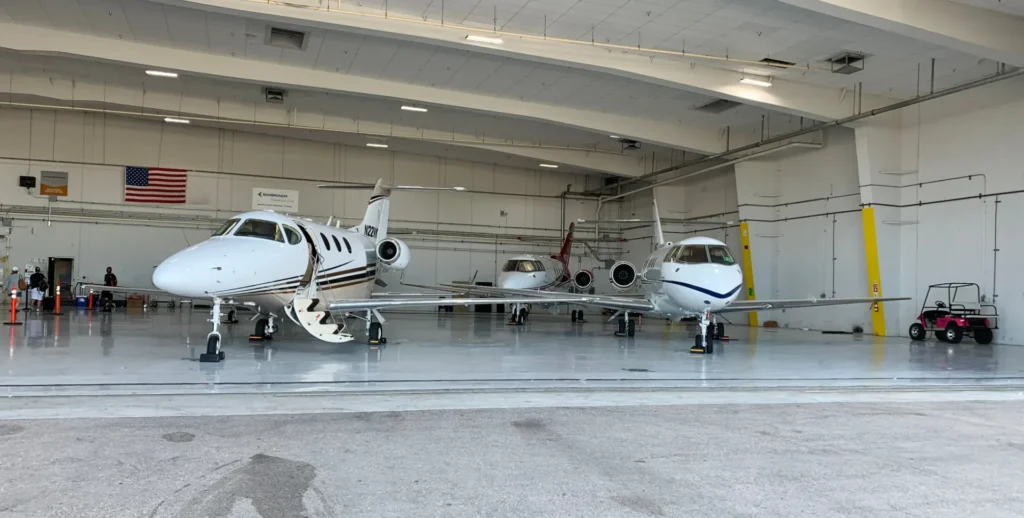
Aircraft need a designated place to park between flights. FBOs provide outdoor ramp parking, while some also offer hangar storage.
Hangars are enclosed buildings that protect aircraft from rain, wind, sunlight, and other weather conditions. They are particularly useful for aircraft that remain at an airport for an extended period.
3. Passenger Lounges
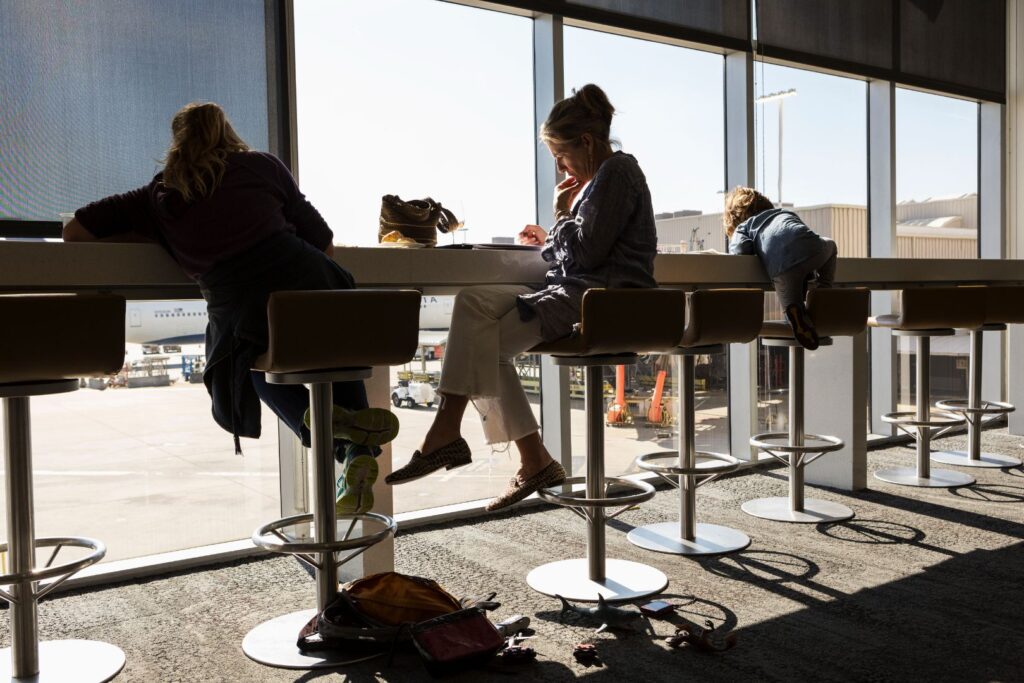
Many FBOs have private lounges where passengers can relax before departure or after landing.
Depending on the facility, these lounges may offer comfortable seating, Wi-Fi, refreshments, meeting rooms, and private waiting areas.
Some larger FBOs also provide additional amenities for business travelers and passengers who want more privacy.
4. Aircraft Maintenance
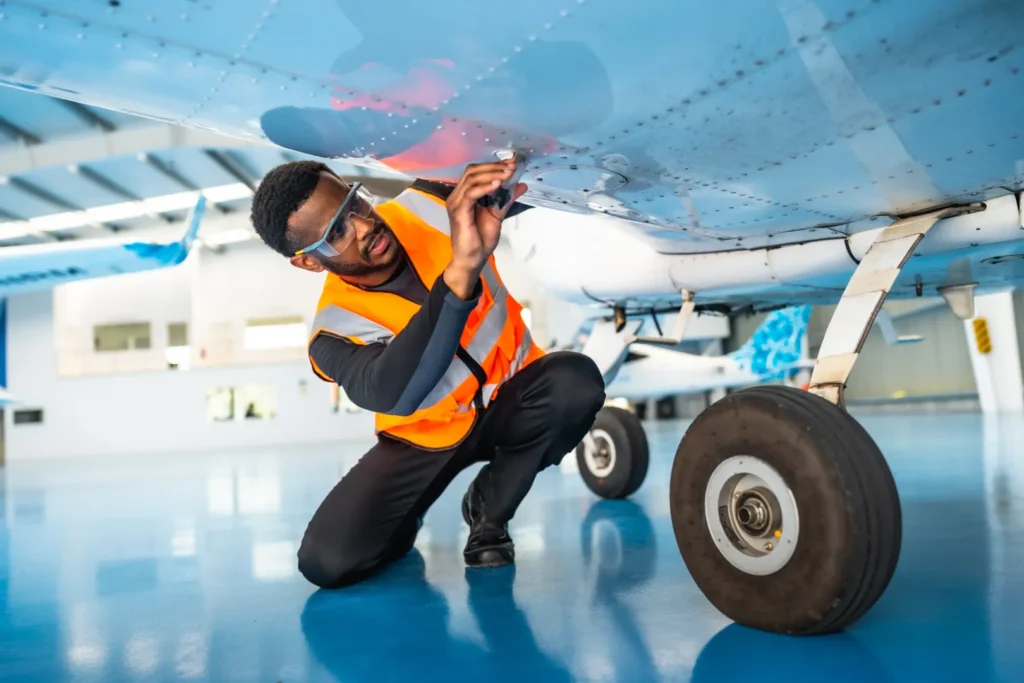
Some FBOs offer aircraft maintenance and repair services or work with approved maintenance providers.
These services may include routine inspections, minor repairs, and technical assistance. More complex maintenance work may require a separate maintenance facility.
5. Ground Transportation
An FBO can help passengers arrange transportation between the airport and their final destination.
This may include rental cars, taxis, private chauffeurs, or hotel transfers. Some facilities also offer temporary vehicles for pilots who need transportation during a short stop.
6. Pilot and Crew Services
Pilots often spend time at airports between flights. FBOs provide facilities that help them prepare for their next journey.
These may include flight planning rooms, weather information, Wi-Fi, rest areas, and refreshments. Certain FBOs also offer overnight crew accommodations or help arrange nearby hotels.
What Is the Difference Between an FBO and an Airport Terminal?
Although FBOs and commercial airport terminals both serve air travelers, they operate differently.
A commercial terminal is designed to handle large numbers of passengers traveling on scheduled airline flights. Passengers typically use check-in counters, baggage facilities, security checkpoints, and designated boarding gates.
An FBO primarily serves private and general aviation. It usually handles fewer passengers at a time and offers more personalized services.
| FBO | Commercial Airport Terminal |
|---|---|
| Primarily serves private and general aviation | Primarily serves scheduled airline passengers |
| Usually has smaller waiting areas | Has large passenger terminals |
| Offers aircraft fueling and ground services | Primarily handles airline passenger operations |
| May offer private lounges and direct aircraft access | Uses designated boarding gates |
| Often provides personalized transportation arrangements | Offers public and commercial transport options |
An FBO is not necessarily a separate airport. Many commercial airports have FBO facilities on the same property.
How Much Does It Cost to Use an FBO?
The cost of using an FBO depends on the airport, aircraft type, length of stay, and services required.
Aircraft operators may pay fees for ramp access, parking, hangar storage, ground handling, and other services. Fuel is usually charged separately, although some FBOs reduce or waive certain fees when an aircraft purchases a qualifying amount of fuel.
Passengers booking private charter flights may find that some FBO charges are already included in their charter price. However, additional services can sometimes result in extra charges.
Before arranging a flight, aircraft operators should confirm the applicable fees and available services with their chosen FBO.
How to Choose the Right FBO
Some airports have several FBOs, giving aircraft operators a choice of service providers.
When selecting an FBO, consider its location within the airport, operating hours, available fuel, parking facilities, and service charges.
If you are traveling on a private jet, passenger facilities and ground transportation may also be important.
For pilots and aircraft operators, fuel availability, ground handling capabilities, maintenance support, and hangar space can influence the decision.
It is worth contacting the FBO before arrival, particularly when visiting an unfamiliar airport or traveling outside normal operating hours.
Why Are FBOs Important in Private Aviation?
FBOs make private aviation more practical by providing the ground services aircraft need between flights.
Without these facilities, pilots and aircraft operators would have to arrange fueling, parking, maintenance, and passenger services separately.
For travelers, FBOs offer a more convenient way to arrive at and depart from an airport. For aircraft operators, they provide access to essential services that help keep flights running according to schedule.
Their role extends beyond private jet travel. FBOs also support flight training, small aircraft operations, business aviation, and other general aviation activities.
Frequently Asked Questions
1. How early should I arrive at an FBO before a private flight?
For most private flights, arriving about 15 to 30 minutes before departure is often enough, but your operator may recommend a different arrival time.
2. Can I bring luggage to an FBO?
Yes, passengers can bring luggage to an FBO. Staff can often help with loading and unloading bags onto the aircraft.
3. Do FBOs have security checks?
Yes, security procedures may apply at an FBO, but they are generally different from the process used at a commercial airport.
4. Can pets travel through an FBO?
Yes, many FBOs accommodate passengers traveling with pets, although airline, aircraft, and destination requirements may still apply.
5. Can I work from an FBO?
Yes, many FBOs provide Wi-Fi, quiet seating, workspaces, and sometimes private meeting rooms for business travelers.
6. Can an FBO arrange catering for a private flight?
Yes, many FBOs can arrange or coordinate catering for private aircraft based on the passenger’s preferences and flight requirements.
7. Can I leave my car at an FBO?
Some FBOs provide customer parking, but availability and fees vary by facility. It is best to confirm parking arrangements before your flight.
8. Are FBOs open 24 hours?
Some FBOs operate 24 hours, while others have specific operating hours. After-hours services may be available with advance arrangements.
9. Can an FBO help with international private flights?
Yes, some FBOs support international flights and can coordinate services related to customs, immigration, and other international travel requirements.
10. Can I meet someone at an FBO?
Yes, you can often meet passengers, pilots, or other visitors at an FBO, although access requirements vary by airport and facility.
Conclusion
An FBO is an essential part of private and general aviation. It provides the services aircraft need on the ground while offering passengers and pilots a convenient place to begin or end their journeys.
Whether you are booking your first private jet flight, operating a business aircraft, or learning to fly, understanding how FBOs work can help you prepare for your next airport visit.
From fueling and aircraft parking to passenger lounges and ground transportation, FBOs bring many important aviation services together in one place.
Disclaimer: FBO services, fees, and procedures vary by airport and provider. Always confirm current details directly with the FBO or flight operator.